 UK Chip Guide
Betting and Gaming Act
Legalised off-course betting shops under licence and reshaped how commercial gambling could operate in Britain after decades of tighter restrictions.
History
This timeline sticks to well-established legislative and regulatory milestones. It is not a news feed and does not invent statistics. Dates help newcomers see why a UKGC licence exists in the first place.
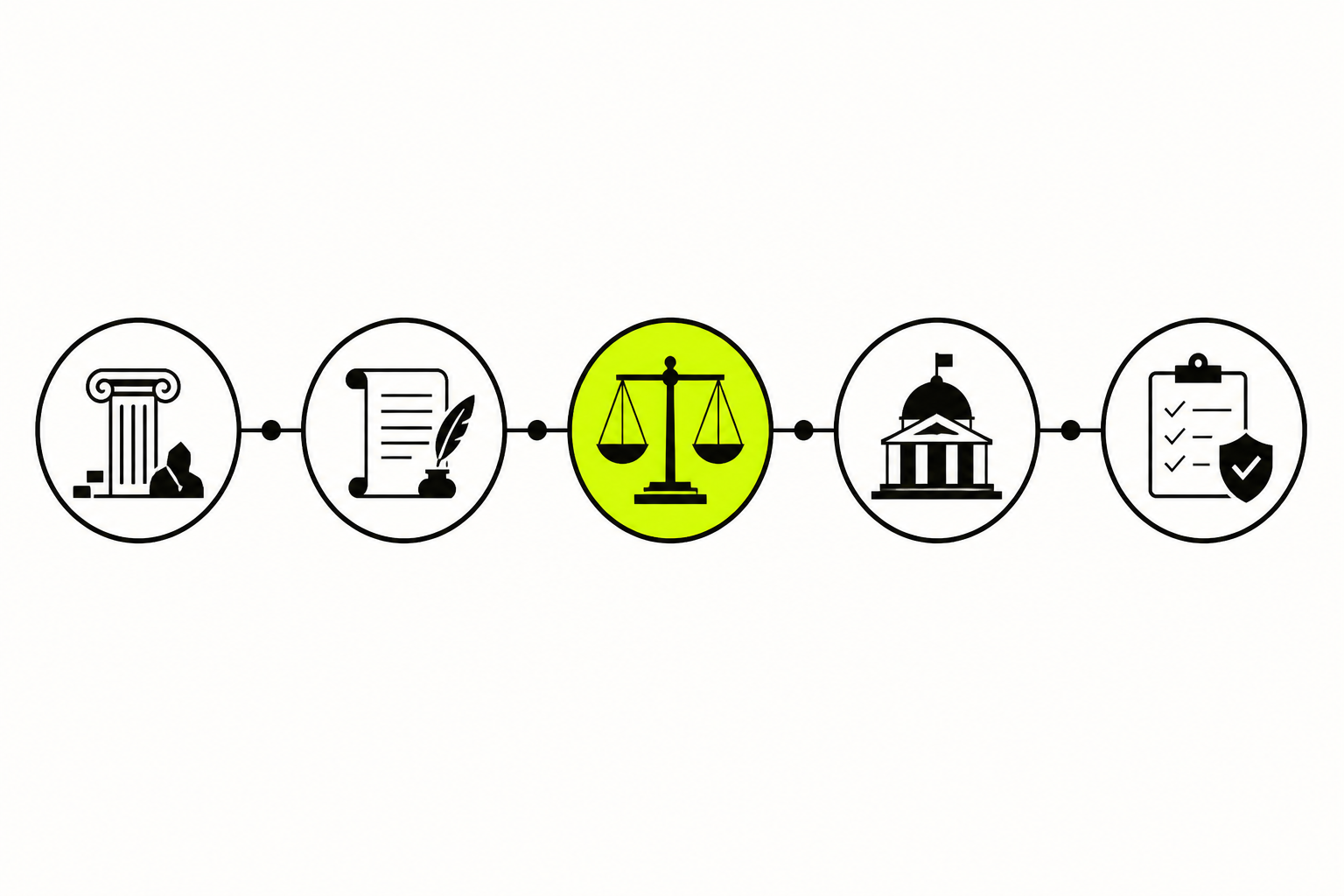
Legalised off-course betting shops under licence and reshaped how commercial gambling could operate in Britain after decades of tighter restrictions.
Introduced a framework for casinos and gaming clubs, including licensing and controls aimed at keeping criminal influence out of the sector.
Created the modern statutory framework, establishing the Gambling Commission and setting the three licensing objectives: keeping gambling fair and open, protecting children and vulnerable people, and preventing gambling from being a source of crime.
The UK Gambling Commission took over as the primary regulator for most commercial gambling in Great Britain, including remote (online) licences as the market grew.
Amendments required operators targeting British consumers to hold a UK licence, closing the gap where offshore sites could serve UK players without local licensing.
GAMSTOP launched as the multi-operator online self-exclusion scheme for UKGC-licensed remote gambling, giving people one place to pause across participating brands.
For what those rules mean day to day, read licensing and safety. For tools you can use now, see responsible gambling.